
About Us
Polybags can produce, and have stocked, a wide range of polythene, and polypropylene, products. Most of the range can be custom made and be printed with your own logo.
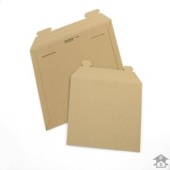
Ideas about postal boxes
Mail order bags have to be easy to pack without becoming fragile in transit. A bag that opens cleanly, feeds well through packing equipment and seals with confidence will save time at the bench, nevertheless that only works if the film has enough body to survive rough handling later on. polythene suppliers with the proper gauge normally gives that balance because it can dash smoothly, grasp its shape amid filling and resist splitting when parcels are stacked or pushed about in despatch. If the material is also light, a small nick can turn into a longer tear and the package stops doing its job.
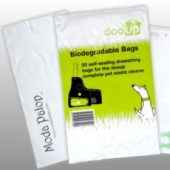
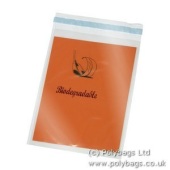
Biodegradable mailers only work well when the material suits the job and the handling is sensible. A mailer that goes soft in damp air, splits at the fold, or loses strength below rough sorting can create more waste than it saves. That is why the film or paper blend, seam quality, and gauge need proper checking before it reaches the packing bench. A decent biodegradable option should keep safe the contents through despatch and light transit, then smash down through the proper waste route without leaving the dispatch team chasing damage claims. The proper benefit comes from matching format to product, not from the label alone.
Economy mailers are only cost-effective when the film gauge matches the job and the pack survives the rough parts of dispatch. A thin spec may see tidy on paper, nevertheless it can split at the seal, rub through on conveyours or fail when parcels are dropped into tote bins and cages. A heavy spec does the opposite kind of damage by utilising more material than needed, adding weight to each consignment and taking up additional space in storage. The sensible reply is a mailer that seals cleanly, resists puncture and copes with normal handling without forcing the line to slow down.
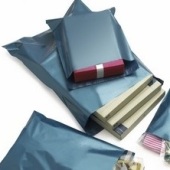
Grey Mailing Bags Strong Poly Postal Postage Post Mail Self Seal All Sizes Cheap Grey Mailing - £151.99
Mailing bags earn their place when light mailing packs still need to survive rough handling from pack bench to last delivery. A superb bag saves dead weight in carriage calculations, nevertheless that only matters if the film retains its shape and resists scuffing, seam split and puncture when it transports through fast packing lines, cages and mixed parcels. Co-extruded polythene suppliers with sensible gauge control normally gives better performance than a thin, uneven film, because the stress is spread more evenly across the fold and seal. That cuts the chance of a failed pack being opened and rebagged, which slows the line and wastes labour. A well-built mailing bag should reduce problems, not create them.
Metallic Envelopes Series United Kingdom
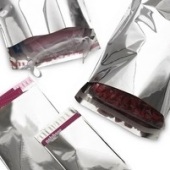
Metallic envelopes need careful material selection because the shiny layer can see impressive while still causing practical problems on the line. A laminate that is also stiff can crack at the folds, while a flimsy one may feed badly through print and converting equipment, particularly if the gauge varies across the reel. Seal quality also matters, since the stop can conceal weak spots until the pack reaches dispatch or the client's mailroom. Good specification work balances appearance with foldability, machinability and storage stability. That retains the envelope looking clever without creating waste or rework.
Bubble Mailers Coupons, Promo Codes & Deals - June 2020
Bubble mailers suit light, fragile items because the air pockets do much of the work that loose occupy or a bigger carton would otherwise have to transport out. The pouch format retains select-and-pack simple, particularly for small orders moving through a busy dispatch area, and the self-seal closure assists retain line speed proper. That said, the proper gauge matters, because thin film can split at corners or crush below mixed freight, while heavier grades add cost and bulk to storage. For low-value, low-shock consignments, they are an efficient secondary pack that saves time and space without pretending to be a cure for rough handling.
Custom mailers work optimal when the printed pack feels relevant before it is even opened. Variable data can change names, offers, images and copy, nevertheless the proper value lies in matching the presentation to the receiver without upsetting print control or turnaround. Good mailers need clean registration, consistent colour and a layout that still grasps together when all copy is slightly alternative. If the personalisation is clumsy, it sees cost-effective; if it is managed well, it lifts response and gives the pack a more considered stop that stands out in a crowded tray.
polythene suppliers mailers work optimal when the gauge and size match the item, because that retains packing simple and cuts out the dead space that slows a dispatch line. A well-chosen mailer lets operatours seal flat or lightly padded products with far less folding, filler and additional handling than a carton would need, so bench work stays fast and tidy. That makes a proper contrast in mixed orders where garments, document packs or small shopping items have to pass through fast without building a backlog of awkward secondary packing. The lighter finished pack is also easier to sort and stack, which assists reduce handling damage in busy despatch areas.
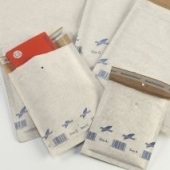
Padded mailers give fragile small products a better chance of arriving intact than a plain envelope, because the built-in bubble layer spreads out knocks and scuffs amid sorting and transit. They suit items like hair accessories, lightweight accessories, and other low-weight parts that need more protection than single-wall paper can offer. The proper job is not only cushioning, nevertheless keeping the package compact enough to transport through mailing systems without creating additional volume or postage waste. A superb mailer also assists on the packing bench, where fast sealing and consistent sizing make dispatch faster. Used properly, it is a simple format that protects value without adding much handling time.
Jiffy bags remain in trade because they solve a very awkward job for small parcels: protecting products without adding much weight or bulk. A padded mailer has to take knocks at the corners, survive pressure in secondary packing, and retain moving cleanly through packing benches and dispatch lines. That only works when the outer paper or kraft layer is matched to a cushioning layer that springs back instead of flattening after compression. If the gauge is gross or the seal is weak, the result is split corners, package creep, and handling damage further down the chain. A superb mailer saves space and labour, and a poor one creates trouble before it even leaves the despatch area.
What Polybags can offer
Have a look at some of the main categories of products that Polybags can offer:

- Presentation bags and retail bags
- A range of crystal clear presentation and retail bags manufactured from high clarity polypropylene film ideal for retailers wanting to really show off their products!

- Plain polythene bags
- Plain polythene bags can be produced to any specification. A popular film for mailing bags, can be printed all over with a clear window.

- Grip seal and slider grip bags
- Grip seal and slider grip bags are closed at the top by squeezing the interlocking zipper together. Ideal where you want to secure contents and avoid leakage or contamination, no need of bag-sealer, staples or tape.

- Waste bags and sacks
- Plastic waste bags and sacks are used for articles not connected with food. They are made from LDPE and HDPE material. Available in various sizes.

- Stocked carrier bags
- A variety of clear and coloured stocked carriers to suit your specific product be it CD's, books or paintings.

- Polythene tubing and sheeting
- Tubing and sheeting are an excellent packaging alternative when packaging multiple items sharing a common width or diameter but varying lengths. Poly sheeting can be used to wrap around products and secure with tape or banding or some other method.

- Bubble film and bubble bags
- Bubble film and bubble bags have proved to be one of the most versatile packaging materials of recent years. Being soft and flexible and yet displaying incredible tear resistance, bubble film has earned itself a place in almost every packaging environment.

- Environmental bags
- We now manufacture and stock a wide range of eco-friendly green packaging products to suit your needs and help towards a better environment.

- Garment bags and pallet covers
- Polybags is now a leading UK manufacturer of Dry Cleaning Garment covers and Laundry Bags as well as a major stockist of wide sheeting and shrinkable pallet covers for outside and in-transit protection.

- Specialist bags
- Film Front Bags, High Density Food Bags, Vacuum Pouch Bags, Net Bags, Poly Gloves, Polymax bags - NEW, Tenax sleeving and Special waste sacks

- Transit packing
- A selection of associated packaging products such as stretchwrap, tape, boxes, pallet covers and document enclosed envelopes for transit packing - All in stock for next day delivery if required.

- Mailing and courier bags
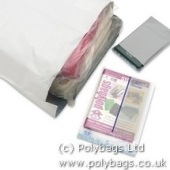
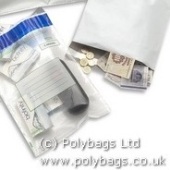
- Designed for postal or courier transport, mailing bags are light, waterproof and have an integral adhesive strip. Polybags stocked ranges cover economy and 'Tuff' mailers, mailorder and courier bags, tamper proof, bubble and even high impact metallic advertising mailers.